Megapixel Calculator
To calculate megapixels, multiply the length (L) by the width (W) of an image in pixels, then divide the result by 1,000,000. This provides the total megapixel count of the image.
To calculate megapixels, multiply the length (L) by the width (W) of an image in pixels, then divide the result by 1,000,000. This provides the total megapixel count of the image.
The Megapixel Calculator is a practical tool for determining the resolution of an image in megapixels. Photographers, designers, and anyone working with digital media can use this to understand image quality and suitability for various applications, such as printing or display.
MP = L × W / 1,000,000
| Variable | Description |
|---|---|
| MP | Megapixels (image resolution) |
| L | Length of the image in pixels |
| W | Width of the image in pixels |
Example 1: Calculate for an Image with 1920×1080 Resolution
| Step | Value |
|---|---|
| Length (L) | 1920 pixels |
| Width (W) | 1080 pixels |
| Megapixels (MP) | (1920 × 1080) / 1,000,000 = 2.07 MP |
Example 2: Calculate for an Image with 4000×3000 Resolution
| Step | Value |
|---|---|
| Length (L) | 4000 pixels |
| Width (W) | 3000 pixels |
| Megapixels (MP) | (4000 × 3000) / 1,000,000 = 12 MP |
The Megapixel Calculator is a specialized tool that is designed to determine the number of megapixels in an image based on its resolution.
This calculator is especially useful for photographers, designers, and tech enthusiasts who need to convert image dimensions (width and height in pixels) into megapixels or vice versa.
A megapixel represents one million pixels, a standard unit for measuring digital image resolution. By inputting the resolution of an image (e.g., 1920×1080), the calculator instantly provides the total number of megapixels, assisting users in selecting the right image quality for printing, cropping, or sharing on various platforms.
For example, an image with dimensions of 1920×1080 contains approximately 2.1 megapixels. This insight is particularly valuable when deciding on the appropriate image resolution for printing or evaluating camera specifications for your needs.
In summary, the Megapixel Calculator simplifies the process of understanding image resolution and size. By converting pixel dimensions into megapixels, it empowers users to make informed decisions about digital and print media requirements.

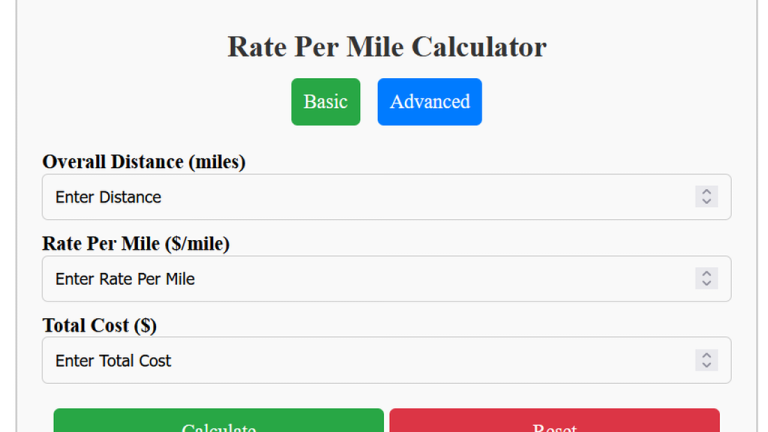
To calculate the rate per mile (RM), divide the total cost (C) by the total distance (TD) traveled. This formula helps determine cost efficiency and pricing. The Rate Per Mile Calculator is ideal for calculating the cost efficiency in transportation, delivery, or trucking. By dividing total costs by the distance traveled, it provides valuable insights…
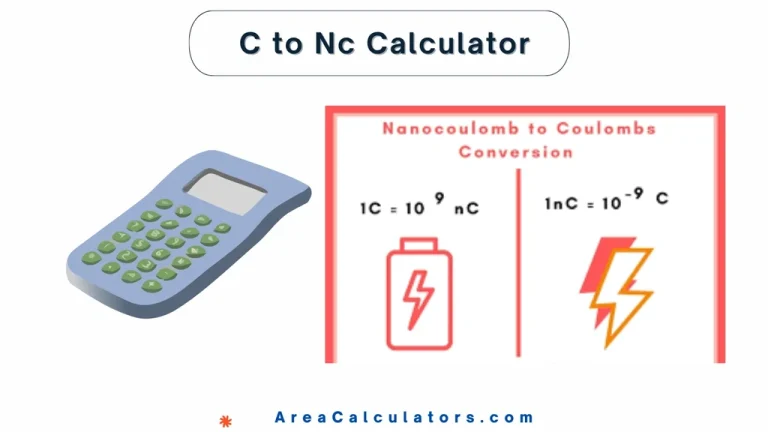
9 / 100 SEO Score To find Nc, calculate the factorial of C and divide it by the product of the factorial of n and the factorial of (C – n). The C to Nc Calculator is exclusively designed to find the number of combinations possible when choosing a subset of items from a larger…
To determine the date 112 days from today, simply add 112 days to today’s date. For example, if today is November 4, 2024, adding 112 days will give the future date. 112 Days From Today Calculator Today’s Date Date 112 Days From Today Calculate Reset Calculating 112 Days From Today Calculator predicts when a specific…

Dimensional analysis helps convert units by using ratios that cancel out the original units, leaving the desired unit. Dimensional analysis, also called the factor-label method, is a method for converting between different units by canceling out dimensions. This approach is widely used in physics, chemistry, and engineering to ensure accuracy and consistency across calculations. By…
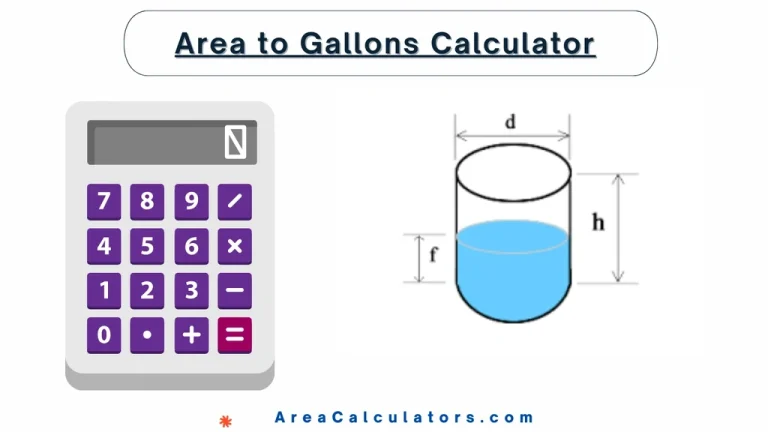
To calculate gallons from an area, multiply the area by the depth and a constant (7.481). The Area to Gallons Calculator is a useful tool for determining the volume of liquid, such as water or fuel, based on a given area and depth. This is commonly used in applications involving water storage, tank capacity planning,…
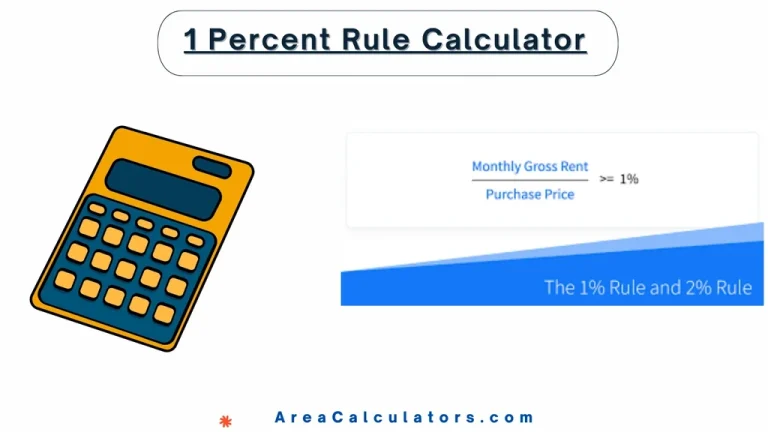
77 / 100 SEO Score The 1 Percent Rule Calculator is really helpful for real estate investors to know if a rental property is a good investment by ensuring it generates 1% of the purchase price in its monthly rent. Learn how the 1% rule works and if it’s still valid in today’s market. Formula:…